- Teacher: Leanne Lewis
- Teacher: Faye Power-Griggs
Category: Leanne Lewis
This module encourages you to extend your knowledge beyond that of HE4 and deepen your understanding of the critical debates relevant to contemporary practice, which affect our readings of fashion, including the impact of fashion on wellbeing, health and happiness. Through a series of lectures, seminars and workshops you will explore the meanings, functions and intentions of practice within a dynamic set of theoretical considerations.
You will be encouraged to explore a variety of related and interrelated exhibitions, events and undertake visits to galleries, museums and archives as part of this module and during independent study time. Research and study skills are an integral part of the module and workshops will focus on developing academic practice.
Assessed components encourage you to develop and consolidate knowledge, to engage in extended research and make links between and across fields of practice. This module aims to encourage depth of enquiry, to cultivate contemporary research and writing practice, across various academic channels. Graduate Attributes: Effective Communicator and Global Citizen
The module is designed to enhance and consolidate your communication, research, and critical writing skills. The discipline involves the study of cultural and creative processes that goes beyond the history of fashion and theories of art and design. You will focus on extending various aspects of theoretical knowledge through the exploration of a self- selected research project and as a result this will strengthen your critical analysis and investigation skills. You will discuss and analyse historical, cultural, social and political contexts, which affect our readings of fashion. You will experience learning in different environments with attention given to one-to-one research tutorials tailored to the specific needs of the student. In addition group seminars and workshops will provide support for academic study skills and, furthermore, online forums and access to digital resources will support you throughout the module. You will be actively encourage to conduct independent study visits to relevant galleries, museums and archives in order to review and retrieve primary research (text and image). In addition you will be encouraged to attend events and conferences that support your academic development and construction of theoretical knowledge. Graduate Attributes: Effective Communicator and Global Citizen.
This module builds from previous critical theory modules and directly reflects the learning and knowledge built by the cohort throughout their studies, specifically related to the context of fashion design; it purposely encourages students to develop their personal area of research which directly responds to their needs and interests and to enable links between academia and practice.
Components of the module are designed to enable progress from week 1 – 15, lectures and working research groups support and enable critical thinking and awareness, skills sessions encourage students to apply such skills to their academic writing skills to present research in an appropriate format. Workshops and tutorials are a key component of the module and offers opportunity for tailored feedback to their personal research areas.
This module enables students to consolidate skills developed and to convey their understanding of academic research and writing skills whilst via a piece of academic writing. Through lectures and seminar discussions, research tasks individually and in groups, through skills sessions students will build a weekly understanding of their personal research area and how to utilise the research and skills developed along the way.

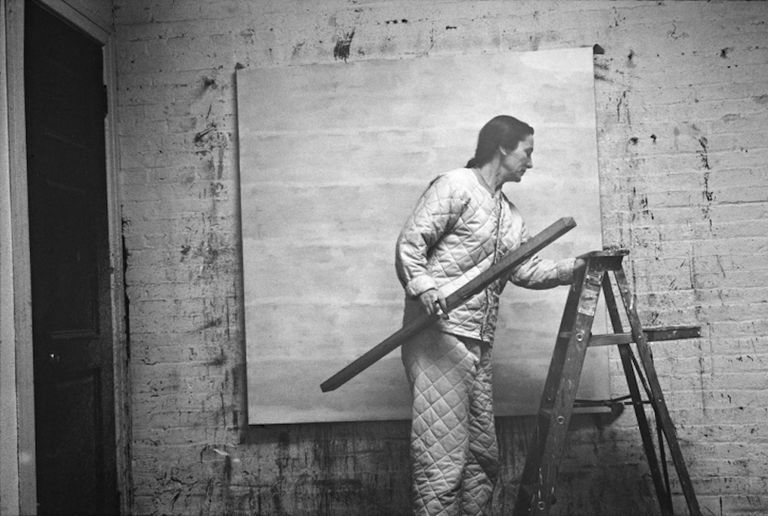
The module will introduce you to historical, critical and theoretical concerns of art from the early part of the 20th century to the present. Intended to work alongside your developing studio practice and skills, you will develop an understanding of the relationship between research and practice, how it functions, and its importance in the world of contemporary art.
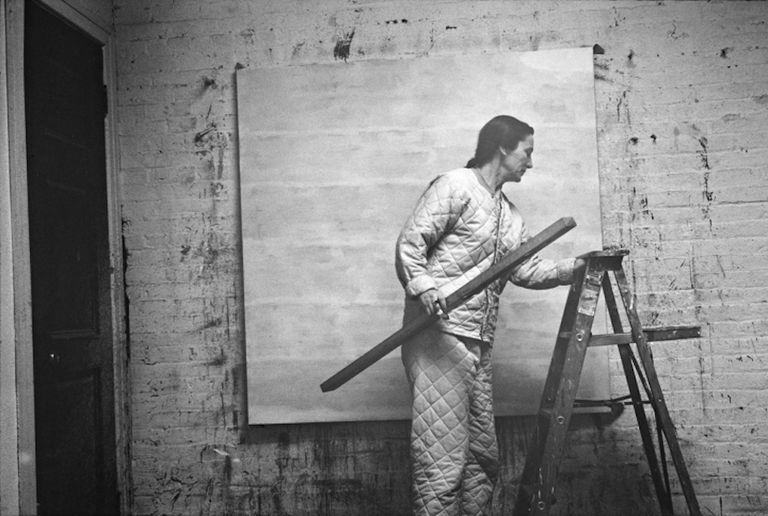
The module will introduce you to historical, critical and theoretical concerns of art from the early part of the 20th century to the present. Intended to work alongside your developing studio practice and skills, you will develop an understanding of the relationship between research and practice, how it functions, and its importance in the world of contemporary art.
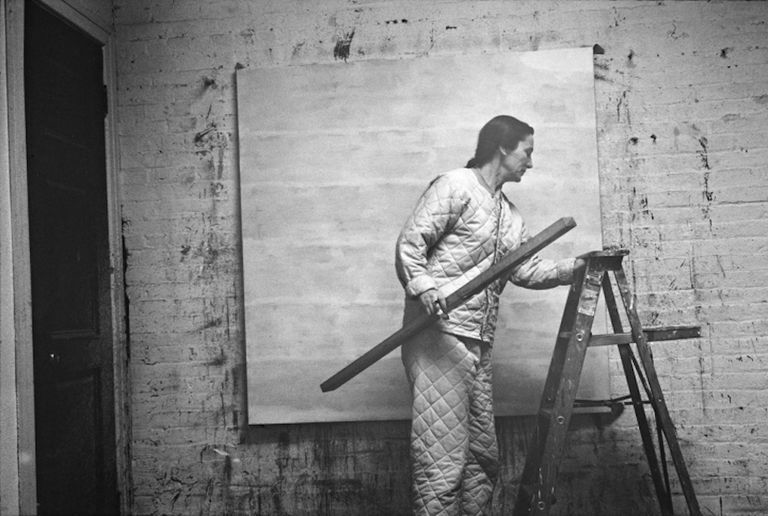
The module will introduce you to historical, critical and theoretical concerns of art from the early part of the 20th century to the present. Intended to work alongside your developing studio practice and skills, you will develop an understanding of the relationship between research and practice, how it functions, and its importance in the world of contemporary art.
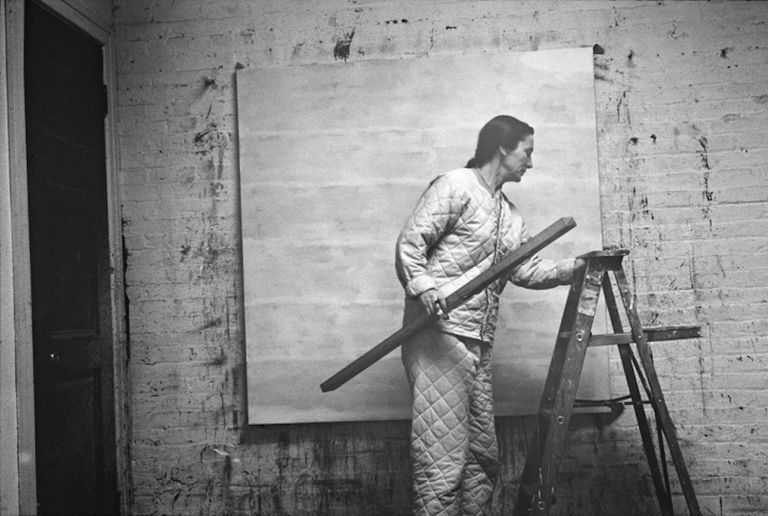
The module will introduce you to historical, critical and theoretical concerns of art from the early part of the 20th century to the present. Intended to work alongside your developing studio practice and skills, you will develop an understanding of the relationship between research and practice, how it functions, and its importance in the world of contemporary art.
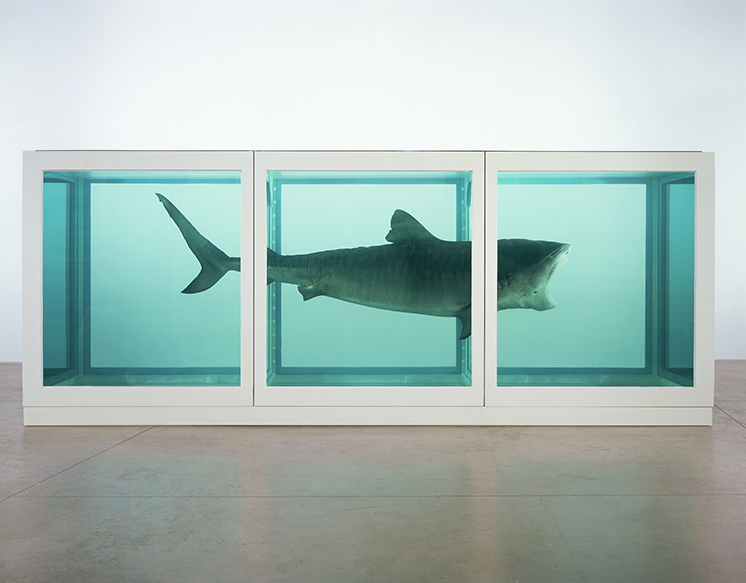
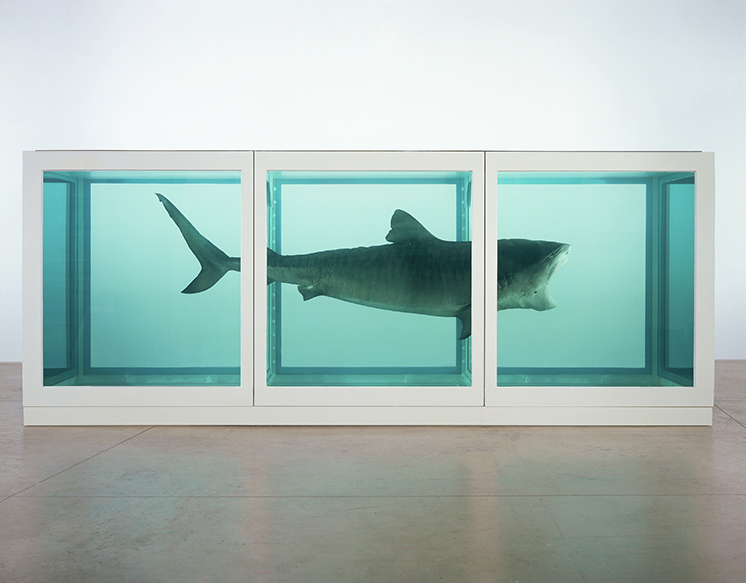 The module will concentrate on critical and theoretical concerns in contemporary art practice. You will contribute to debate and discussion on and around contemporary concerns that form the basis of contemporary art. You will continue to develop a critically evolving practice of critique and writing, understanding the relationship between research and practice, and how it reflects and responds to political, economic and cultural concerns in the world of contemporary art.
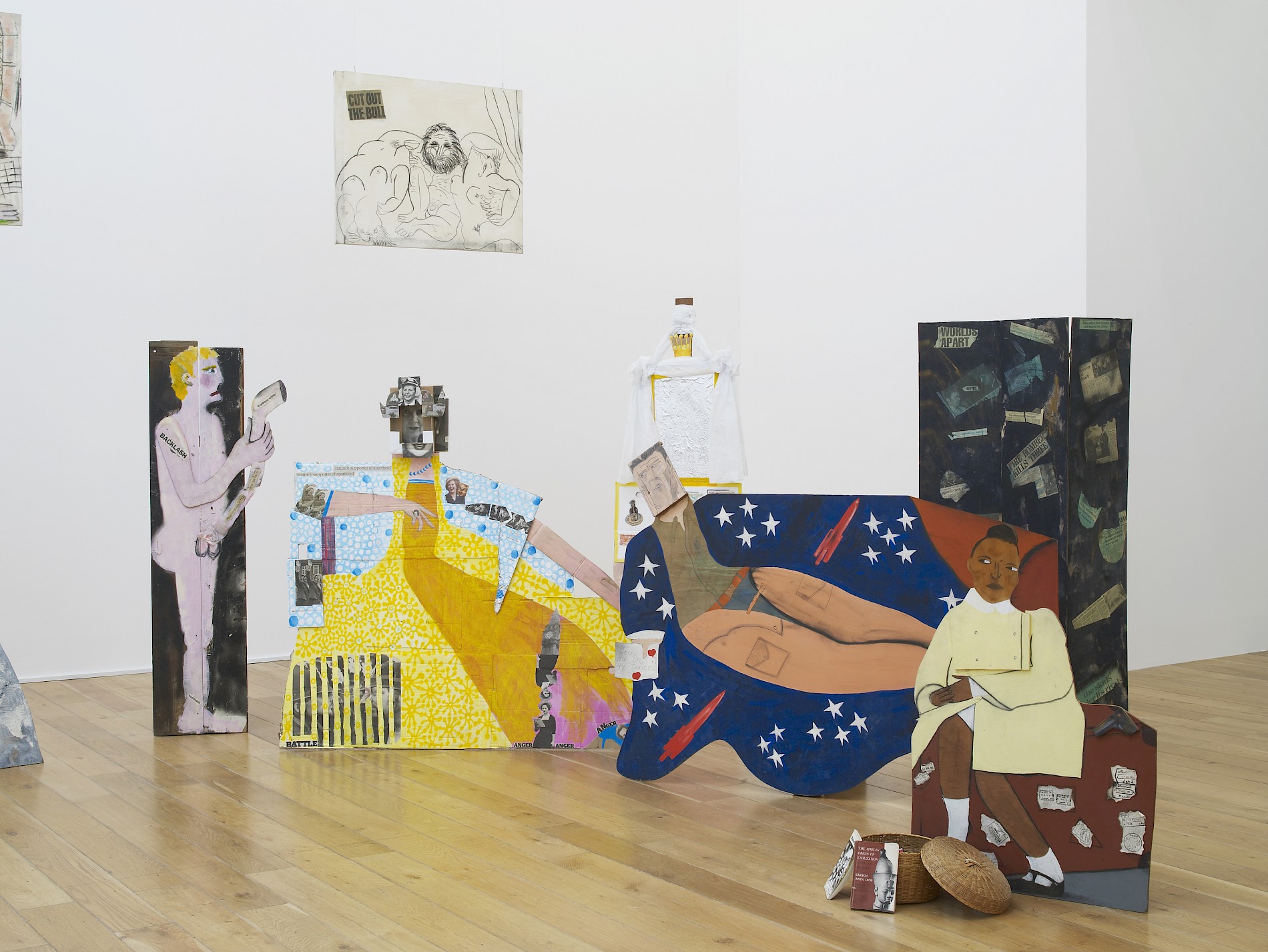

This module provides an opportunity to develop a collaborative (group) project which consolidates your learning on the foundation programme and provides progression to the next stage of your studies in line with your subject specialism linked to an element within the community. You will work in a group to develop an achievable project plan, with relevant aims and milestones, applying theories of teamwork and project delivery, to achieve a successful outcome. You will use a reflective approach to your academic and professional development and conduct effective independent learning throughout the project and then reflect on your overall contribution, gained understanding and knowledge.

This module provides an opportunity to develop a collaborative (group) project which consolidates your learning on the foundation programme and provides progression to the next stage of your studies in line with your subject specialism linked to an element within the community. You will work in a group to develop an achievable project plan, with relevant aims and milestones, applying theories of teamwork and project delivery, to achieve a successful outcome. You will use a reflective approach to your academic and professional development and conduct effective independent learning throughout the project and then reflect on your overall contribution, gained understanding and knowledge.

In this module, you will explore a wide range of creative methods that combine traditional analogue techniques with modern digital processes. Through workshops in drawing, photography, collage, sculpture and character design, you will develop hands-on skills and learn how to refine and extend your work using digital tools. You will explore key theories to help you understand key art and design practitioners, visual language, and image-making principles. You will learn how to use industry standard software to digitise and present your work. You will be encouraged to experiment, take creative risks, and develop your personal style while linking your practice to both historical and contemporary contexts